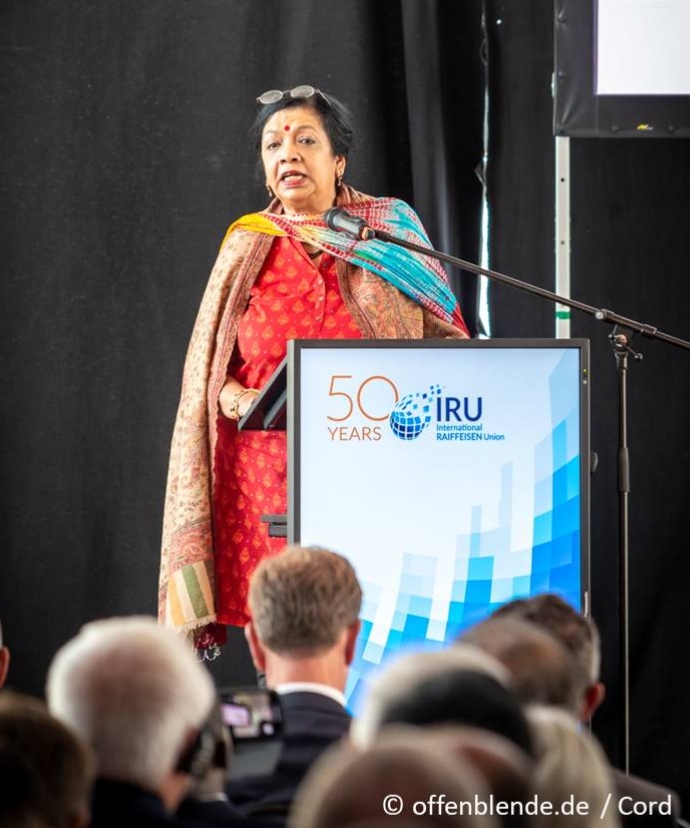

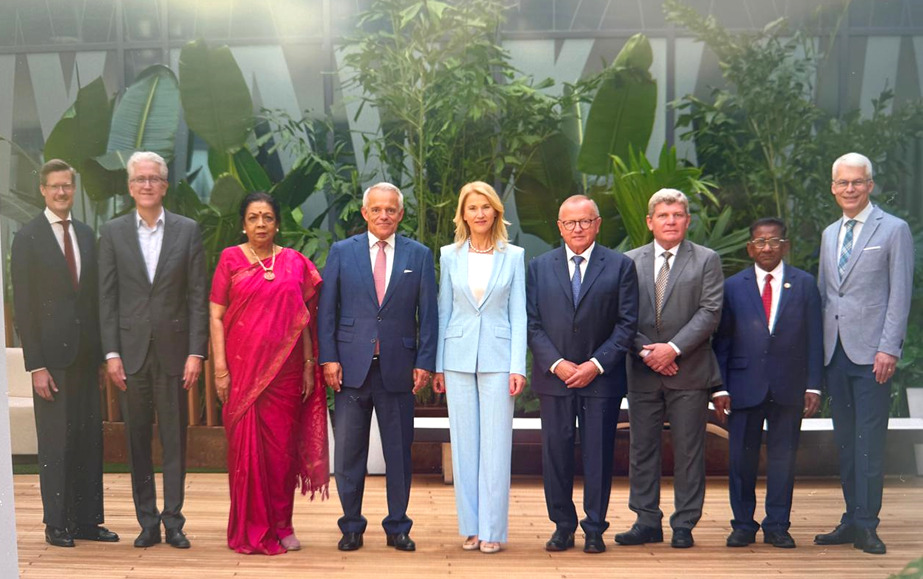
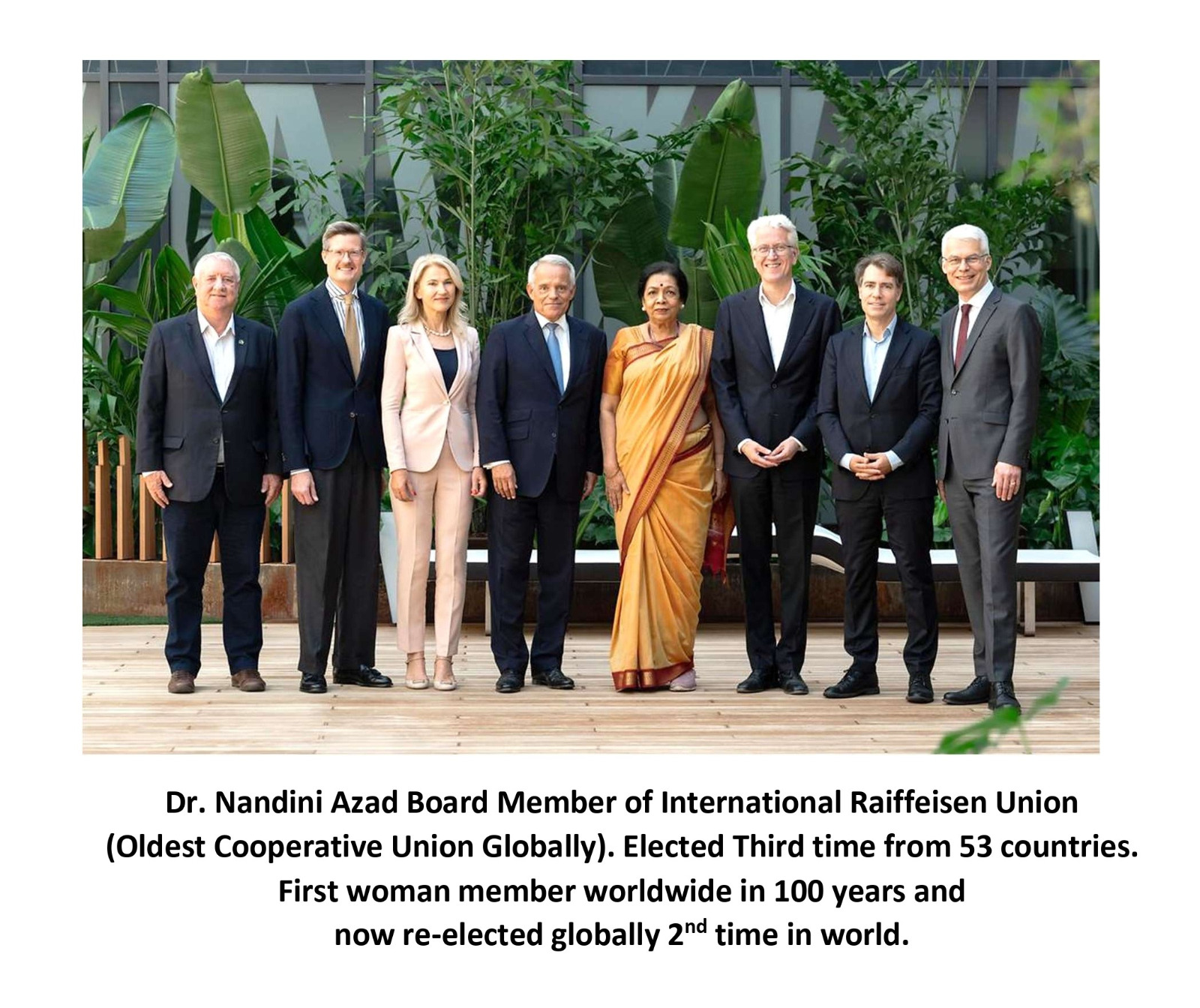
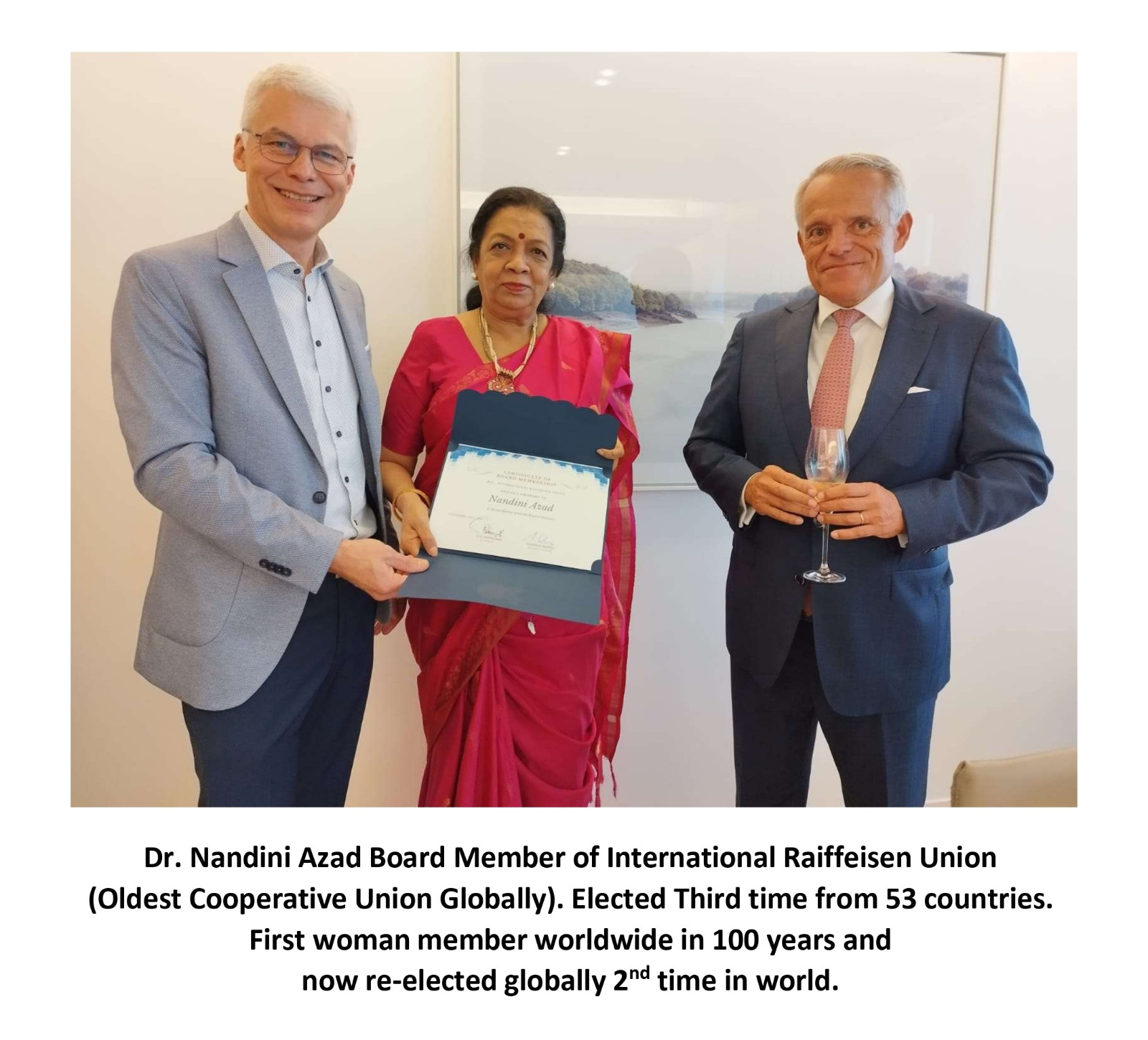
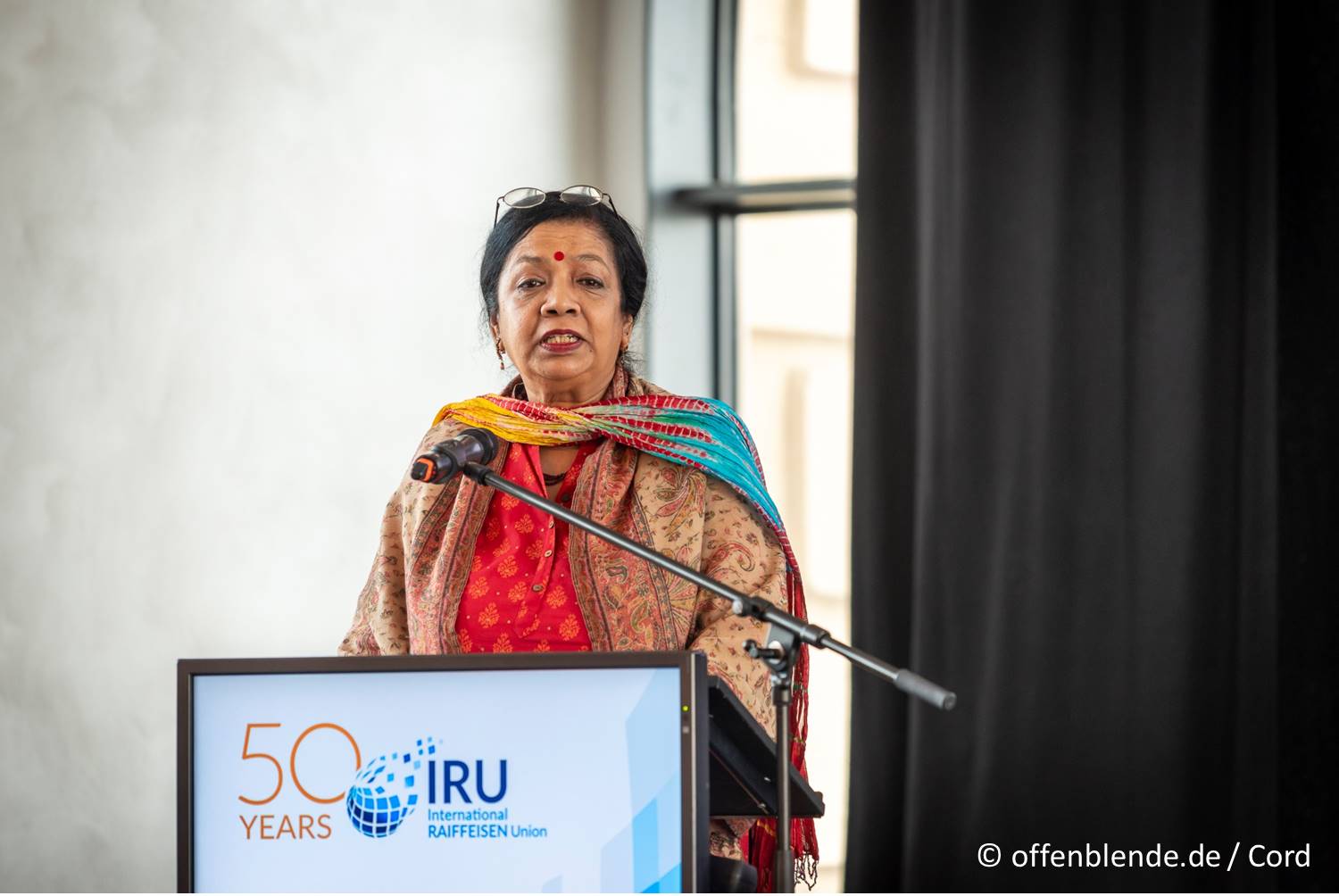
Luxembourg /Germany/India, July 03, 2026: The President of Working Women’s Forum (India) (WWF) and the Indian Cooperative Network for Women (ICNW), Dr. Nandini Azad made a cooperative history by becoming the only woman cooperative leader globally to be elected three consecutive times to the Global Board of the International Raiffeisen Union (IRU) at its Annual General Meeting held in Luxembourg on July 03.
The IRU, headquartered in Germany, is the world’s oldest global cooperative union, with a history spanning well over a century. In 2018, Dr. Nandini Azad became the first woman in more than 100 years to be elected to the prestigious IRU Global Board during its meeting in Koblenz, Germany, breaking one of the longest-standing gender barriers in the international cooperative movement. She was re-elected for the second time in 2023. Now, her third term at the IRU Global Board sets a remarkable precedent for women’s leadership in the global cooperative sector.
This achievement reflects not only Dr. Azad’s personal commitment but also the global recognition of the pioneering work carried out by the WWF (India) and the ICNW in advancing women’s economic empowerment, cooperative governance, financial inclusion, and sustainable development.
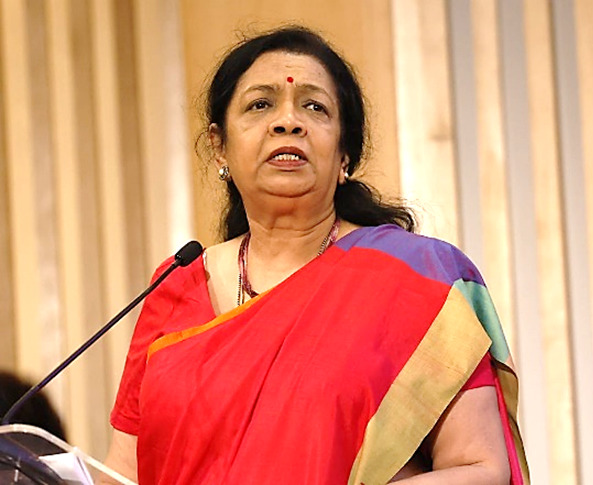
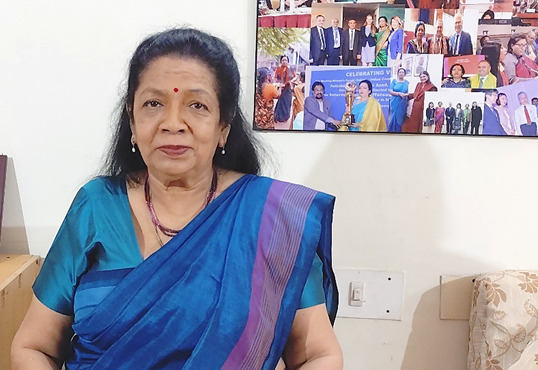
Commenting on this historic achievement, Dr. Nandini Azad said, “Election for the third consecutive term to the IRU Board is not merely about one woman reaching the top. Essentially, it is about opening the door for millions of women to lead, participate, and shape the future of the global cooperative movement.”
“It symbolises the breaking of longstanding barriers to women’s leadership in the global cooperative movement and affirms the strength of grassroots women who have transformed their lives through collective action, financial inclusion, and cooperative ownership,” added Dr. Azad.
Established in 1978 with just 800 women members, the WWF (India) created the ICNW in 1981 with the vision of empowering poor women working in the informal sector through affordable financial services, cooperative ownership, and leadership opportunities. Today, WWF–ICNW operates through 14 cooperative branches across Tamil Nadu, Andhra Pradesh, Telangana, and Karnataka, supported by more than 200 full-time staff, 150 part-time staff, and an extensive network of volunteers, organizers, and grassroots women leaders.
The WWF–ICNW model is internationally recognised as an innovative and holistic approach to women’s development. It views women not merely as beneficiaries of welfare programmes but as entrepreneurs, shareholders, cooperative members, decision-makers, and community leaders capable of shaping their own economic and social futures. Through its integrated gender and equity approach, the organisation combines financial inclusion with social protection, leadership development, gender awareness, entrepreneurship, and community participation.
Over the past four decades, the cooperative has reached nearly 600,000 women members engaged in 282 diverse occupations, including agriculture, fisheries, silk weaving, dairy farming, handicrafts, tailoring, food processing, street vending, and numerous other informal sector enterprises. Beyond providing affordable credit, ICNW offers savings, insurance, fixed deposits, financial literacy, digital literacy, cooperative education, health awareness, skill development, leadership training, and counselling services addressing gender-based violence. These comprehensive interventions have strengthened both the economic security and social empowerment of women across rural and urban communities.
WWF–ICNW has also emerged as a leader in promoting climate resilience among women entrepreneurs. Through indigenous farming practices, biodiversity conservation, diversified livelihoods, and sustainable agriculture, the organisation has strengthened the resilience of poor women and their families against climate change and economic uncertainty.
Across its branches, ICNW has addressed region-specific livelihood challenges by empowering fisherwomen in Adiramapattinam, agricultural labourers in Dindigul, beedi workers in Vellore, silk weavers in Kancheepuram, women combating female infanticide in Dharmapuri, sericulture workers in Channapatna, migrant women workers in Bengaluru, drought-affected women in Bidar, and vulnerable communities in Bellary. These locally responsive interventions have strengthened livelihoods, expanded economic opportunities, reduced dependence on exploitative moneylenders, and promoted social justice across thousands of villages and urban settlements.
The achievements of WWF–ICNW have earned widespread international recognition. Under its consultative status with the United Nations Economic and Social Council (ECOSOC), the organisation has successfully organised multiple United Nations parallel events focusing on women’s cooperatives, financial inclusion, and sustainable development.
Dr. Nandini Azad has represented grassroots women and smallholder farmers at major international platforms including COP27, COP28, the United Nations Commission on the Status of Women (UNCSW), the United Nations Commission for Social Development (UNCSocD), the Committee on World Food Security (CFS), the World Farmers’ Organisation (WFO), and the International Grains Council (IGC).
In 2025, during the United Nations International Year of Cooperatives, WWF–ICNW was honoured to lead the only cooperative panel at the United Nations Commission for Social Development (UNCSocD63), further reinforcing its position as a global leader in women’s cooperative development. Dr. Azad also became the only international civil society leader invited to address the inaugural session of the G20 Social Summit 2024 in Rio de Janeiro, Brazil, where she highlighted the role of grassroots women’s movements in promoting inclusive and sustainable development.
Adding to these honours, UN Women featured Dr. Nandini Azad on its United Nations General Assembly (UNGA) 2025 campaign poster, recognising her as a global symbol of resilience against the backlash to women’s rights and acknowledging WWF–ICNW’s pioneering contribution to women’s financial inclusion, cooperative leadership, and sustainable livelihoods.
The journey of WWF (India) and the ICNW continues to inspire governments, multilateral organisations, development institutions, and cooperative movements across the world, demonstrating that investing in women through cooperative institutions is one of the most effective pathways towards achieving the Sustainable Development Goals, gender equality, poverty reduction, and resilient communities.